July 1, 2026
Owning a historic home brings immense joy, architectural beauty, and a deep connection to the past. However, managing the maintenance of an older residence requires a specialized approach, particularly when dealing with the original wastewater infrastructure. Over many decades, residential drainage systems withstand constant use, accumulating wear that remains invisible until a significant blockage occurs. When a sink, shower, or toilet begins to back up, the immediate instinct for many property owners is to attempt a rapid do-it-yourself repair. Purchasing or renting a motorized drain snake seems like an effective, proactive solution to restore proper flow. Unfortunately, introducing aggressive mechanical equipment into delicate, aging lines often results in catastrophic structural failure. Modern piping materials can handle a degree of physical stress, but vintage materials require a level of expertise that only a licensed local plumber can provide. Understanding the inherent hazards of DIY mechanical clearing methods is essential for protecting the structural integrity of your home's wastewater network.
Evaluating Pipe Fragility
To fully comprehend the dangers of operating mechanical equipment independently, one must examine the composition of vintage residential systems. Homes constructed several generations ago typically utilize cast iron, galvanized steel, or clay pipes to transport wastewater away from the property. While these materials were standard for their time and offer durability under normal conditions, they undergo significant internal changes over extended periods. Cast iron lines are highly susceptible to internal oxidation, which creates a rough, jagged texture inside the line known as scaling. Galvanized steel pipes tend to deteriorate from the inside out, meaning a line that appears structurally sound from the outside could actually possess incredibly thin walls internally. When a rigid steel cable spins inside these delicate environments, the vibration alone can destabilize the brittle metal structure. A professional local plumber understands these unique material characteristics and treats aging lines with the extreme care they require, preventing a standard slow drain from escalating into a full system replacement.
Scraping Interior Walls
The core functionality of a motorized drain snake relies on a rotating metal cable equipped with a sharp, heavy cutting head designed to tear through blockages. While this aggressive action works efficiently inside smooth, modern plastic lines, it functions like a destructive abrasive tool inside aging metallic infrastructure. As the mechanical cable whips and spins through the twists of the line, the sharp metal edges scrape forcefully against the fragile inner surfaces. This friction strips away the protective layer of rust and sediment that has settled inside the pipe over many decades, exposing raw metal to immediate deterioration. Even worse, the physical force can dislodge large chunks of hardened scale that were previously reinforcing the structural integrity of the pipe. These loose debris pieces frequently travel down the line and accumulate in narrow bends, creating a massive secondary obstruction. Consulting an experienced local plumber prevents this unnecessary internal abrasion, ensuring your infrastructure remains intact while safely restoring full drainage performance throughout the home.
Puncturing Corroded Metal
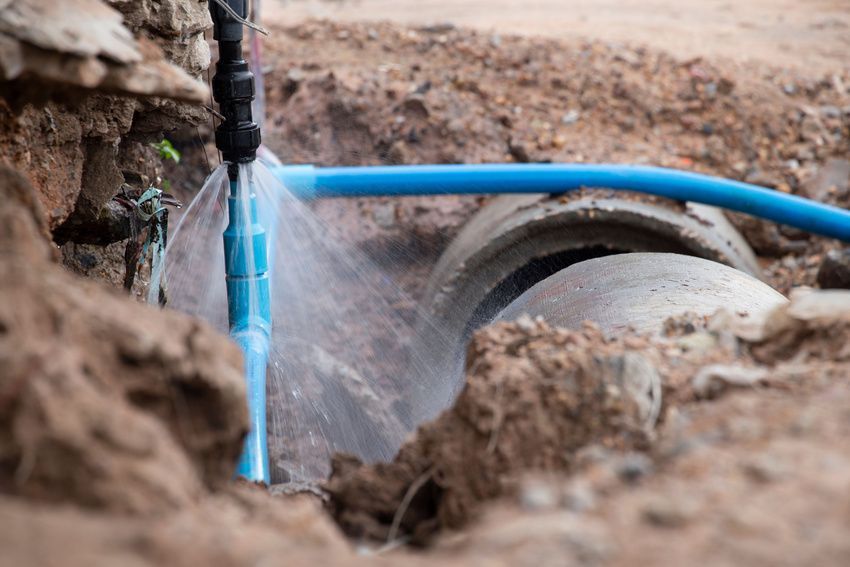
Perhaps the most severe outcome of inexperienced mechanical drain cleaning is accidentally punching a hole directly through a weakened pipe section. As metallic lines age, certain areas become exceptionally thin due to constant water contact, particularly along the bottom of horizontal runs and near tight elbow fittings. When an operator encounters resistance while pushing a snake through the line, the natural reaction is to apply additional forward pressure or increase the rotational speed of the motor. However, in an older system, that resistance might indicate a structural bend or a thick deposit of hardened scale rather than a soft clog. Forcing a sharp, powerful metal tip against a paper-thin, corroded section of pipe can instantly puncture the wall completely. This creates an immediate hidden leak that can saturate surrounding soil or crawlspaces before being discovered. Working with a qualified local plumber avoids this devastating risk entirely, as professionals possess the specialized training required to feel exactly how the tool is reacting inside the line.
Misjudging Clog Locations
Navigating an intricate residential drainage network requires a comprehensive understanding of plumbing layout, directional fittings, and fixture configurations. Without this knowledge, operating a long mechanical cable becomes a blind guessing game that frequently leads to severe complications. When a flexible steel snake is pushed into a line without professional guidance, it can easily take an unintended turn at an internal connection point. Instead of descending toward the main exterior sewer line, the tool may travel upward into a ventilation stack or coil back on itself within a narrow pipe section. When a spinning cable loops tightly inside an older line, it exerts massive outward pressure against the brittle internal walls. This intense stress can split aged seams wide open or crack fragile clay joints completely apart, causing extensive hidden damage. An expert local plumber uses tactile feedback and specialized camera inspection tools to identify the exact position and nature of an obstruction before executing any clearing procedures.
Stressing Weakened Joints
Older drainage configurations rely on connection methods that become increasingly fragile over time, such as lead-and-oakum joints in cast iron or threaded fittings in galvanized steel. These connection points are designed to remain stationary and handle steady, low-pressure gravity flow rather than severe mechanical forces. Operating a heavy consumer drain snake generates powerful rotational forces and intense lateral vibrations that travel down the entire length of the piping system. When these aggressive vibrations hit ancient, brittle joints, the seals can easily crack, loosen, or separate entirely. Even if the cable does not puncture the pipe wall itself, the resulting joint separation creates structural vulnerabilities that allow wastewater to escape and tree roots to enter. A dependable local plumber utilizes modern, non-invasive techniques that clear blockages without sending destructive vibrations through delicate joints, ensuring that the structural connections of your vintage system remain entirely undisturbed during the service process.
Compounding Existing Damage
When an initial do-it-yourself snaking attempt fails to clear a stubborn obstruction, many property owners compound the issue by turning to chemical alternatives. Pouring liquid drain cleaners down a line that has already suffered physical stress creates an exceptionally hazardous situation for the home infrastructure. According to Market Research Future, the global market for drain cleaning products is expected to expand from $7.061 billion in 2025 to $10.36 billion by 2035. This steady industrial expansion reflects how frequently people rely on retail chemical solutions to resolve drainage issues. However, these harsh formulations rely on intense chemical heat or extreme acidity to dissolve organic materials. When these caustic substances sit inside older lines that have been scraped or punctured by a mechanical snake, they rapidly attack the remaining metal or clay. The combination of physical abrasion and chemical corrosion represents a worst-case scenario for aging residential wastewater networks, leading to system collapse.
Preserving the unique character and utility of a classic property requires patience, specialized care, and a willingness to recognize when a home maintenance task demands professional intervention. While the convenience of a retail drain snake makes it seem like an appealing solution for a slow line, the structural risks it poses to older cast iron, clay, or galvanized piping systems are far too great to disregard. Internal scraping, accidental wall punctures, misjudged line pathways, and separated structural joints can instantly turn a simple clog into a devastating property emergency. Hiring a dedicated local plumber for your wastewater network ensures that advanced diagnostic technology and safe, non-invasive clearing methodologies protect your infrastructure from harm. If you are ready to safeguard your historic home from catastrophic pipe failures and ensure long-term functionality, contact us at Epic Plumbing LLC today. We will help you maintain clear, safe drainage paths while completely preserving the structural integrity of your vintage system.