June 19, 2026
Maintaining a main water supply line is crucial for minimizing household disruptions and avoiding unexpected plumbing expenses. Homeowners who implement proactive strategies can successfully avert significant expenses associated with sudden breakdown and decay. Understanding the nuances of utility upkeep becomes imperative when considering how an intact plumbing system affects daily comfort, schedules, and monthly utility costs.
Water lines link the municipal water supply directly to internal household fixtures. Problems within this hidden junction can escalate quickly, causing hidden leaks, dropping pressure, or complete service interruptions. Applying effective preventative care ensures peace of mind and uninterrupted water access throughout the seasonal changes of the year.
Many homeowners rarely think about their main water line until a problem develops, but preventative maintenance can significantly reduce the likelihood of emergencies. Seasonal temperature fluctuations, soil movement, aging materials, and nearby construction activities can all place stress on underground plumbing infrastructure. Even a small crack or connection issue can gradually worsen over time, leading to water waste and costly repairs. Developing a habit of periodically monitoring plumbing performance allows property owners to identify concerns before they become major disruptions. A proactive approach also helps improve overall water efficiency, supporting lower utility bills and reducing unnecessary strain on the plumbing system.
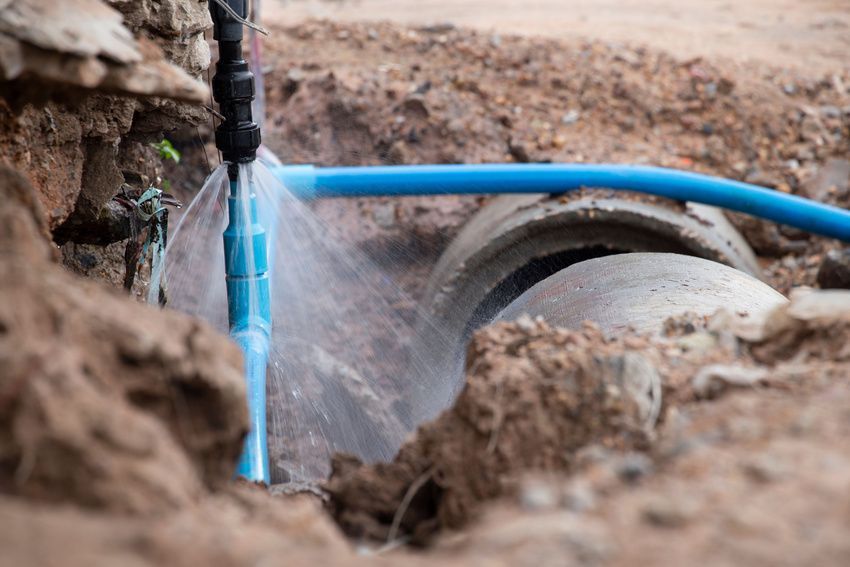
Neglecting this vital connection often results in landscape erosion, compromised building foundations, and severe moisture damage within crawlspaces. By taking charge of infrastructure management before an emergency occurs, property owners protect their investments from the catastrophic financial impacts of major systemic failure. Consistent mindfulness converts minor observational tasks into thousands of dollars saved over the life of the property.
Inspecting and Maintaining Infrastructure Regularly
Scheduling routine plumbing check-ups is essential for the early detection of structural vulnerabilities. Most professionals advise an annual inspection by a licensed technician to assess joints, valves, and hidden components. Early intervention during these routine visits can save thousands of dollars on complex water line repairs that typically follow neglected leaks.
In addition to annual inspections, homeowners should consider seasonal evaluations after periods of extreme weather. Heavy rainfall, freezing temperatures, drought conditions, and shifting soil can affect underground pipes in ways that may not be immediately visible. Monitoring the condition of your property throughout the year helps identify subtle changes that could indicate developing plumbing concerns.
Homeowners can perform simple visual checks between professional visits to catch developing problems. Warning signs often include persistent rust stains, unexplained pooling water in the yard, or shifting soil near the foundation. Spotting these red flags early mitigates the risk of dealing with sudden pipe bursts or extensive property flooding.
Sudden changes in household water pressure or unexpected spikes in utility bills serve as clear indicators of sub-surface issues. Addressing these warning signals promptly allows for minor adjustments before structural damage forces extensive excavation. Investing in routine oversight is always less expensive than reacting to an emergency pipe failure, preserving both your yard and your peace of mind.
Understanding Diverse Plumbing Materials
The specific materials used in underground infrastructure play a major role in overall system durability and performance. Common choices include copper, PVC, PEX, galvanized steel, and cast iron, which each present unique longevity profiles. For example, copper resists corrosion exceptionally well but carries a higher upfront material cost than flexible options like PEX.
According to HomeGuide, most water service lines from the street to the home are 3/4 to one inch in diameter, as larger pipes require more material and cost more. Knowing the exact pipe material and diameter helps homeowners map out accurate replacement schedules before structural failure occurs. Copper lines can function for up to 70 years, while PVC options typically face replacement within 20 to 40 years.
Different piping materials necessitate customized maintenance strategies to prolong their overall operational lifespan. Copper networks require monitoring for acidic soil corrosion, whereas PVC lines must be protected from physical stress and freezing temperatures. Tailoring preventative actions to the specific pipe material optimizes system reliability over decades and ensures you only invest in targeted, necessary upkeep.
Addressing Sudden Water Pressure Drops
Low volumetric flow often stems from underground mineral blockages, major structural leaks, or failing pressure regulators. Persistent drops in output are common symptoms indicating the immediate need for professional water line repairs. Identifying the root cause early prevents widespread household inconvenience and protects connected water appliances from strain.
Minor pressure reductions can sometimes be resolved with straightforward, localized household adjustments. Cleaning mineral scale out of faucet aerators, flushing showerheads, and ensuring main supply valves are fully open can restore normal flow. These minor efforts help differentiate simple fixture clogs from major subterranean line breaks.
When basic household troubleshooting fails to restore normal flow, professional diagnostic testing becomes necessary. Plumbers utilize specialized electronic equipment to locate deep subterranean leaks without destructive digging. Prompt expert intervention ensures underlying pressure problems are completely resolved before causing severe structural damage to your home infrastructure.
Preventing Debris and Root Blockages
Understanding what materials cause internal pipe blockages helps keep plumbing systems flowing smoothly without obstruction. Pouring fats, cooking oils, grease, or wipes down household drains creates sticky traps inside underground lines. Restricting these materials from entering the wastewater stream dramatically reduces severe system back-ups.
Implementing regular drain cleaning methods helps clear out minor accumulation before it hardens into an impenetrable obstruction. Periodic flushes using hot water, baking soda, and vinegar keep internal pipe walls clean without corroding the primary plumbing structure. Consistent drain care safeguards the entire property infrastructure from premature wear.
Tree roots pose a major threat to underground plumbing as they naturally seek out moisture sources. Roots can exploit microscopic cracks in supply lines, expanding inside the pipe until flow completely stops. Installing physical root barriers and planting large trees far away from underground utilities prevents this destructive intrusion from fracturing your main infrastructure.
Managing Main System Shut-Off Valves
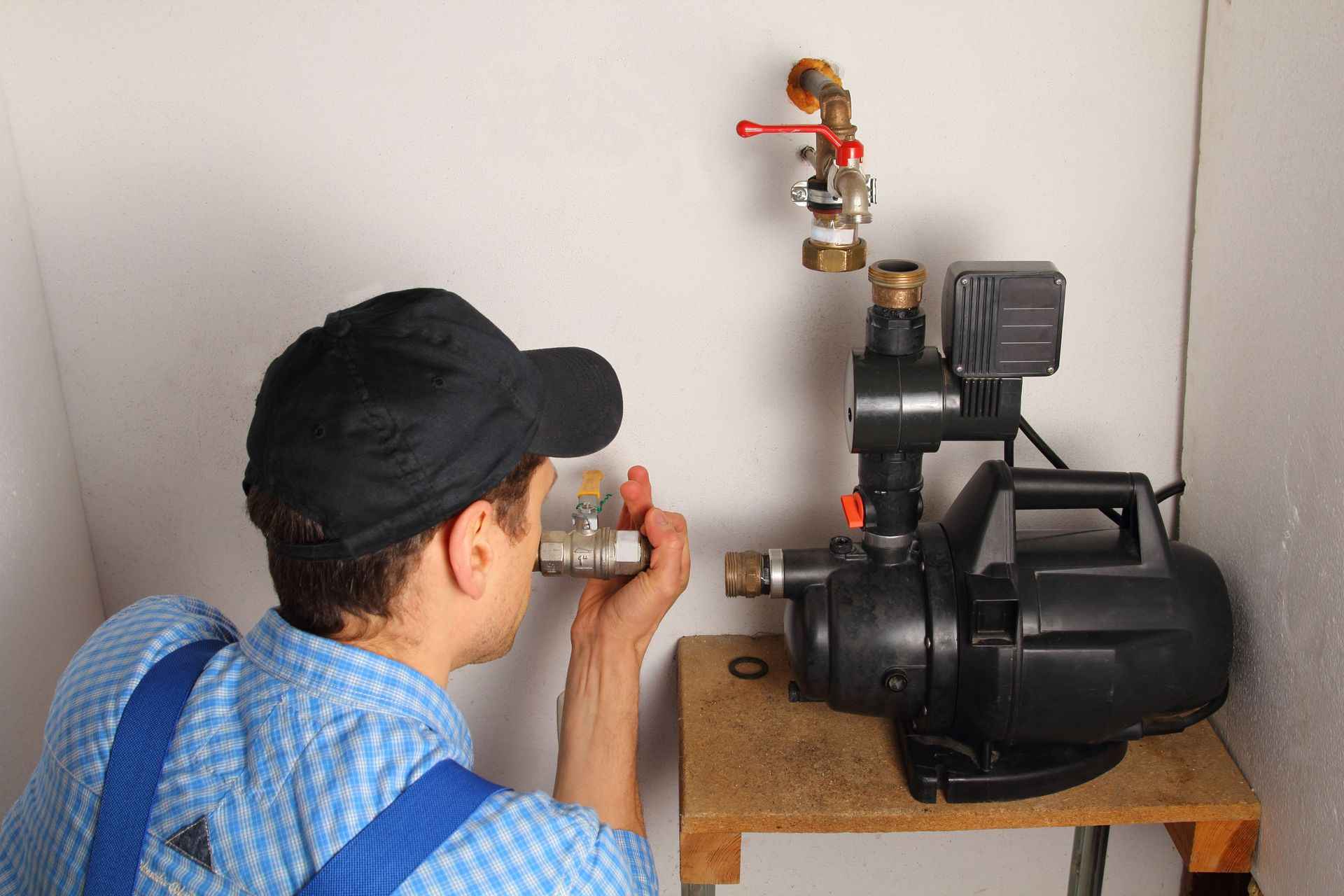
Main shut-off valves are critical safety features that allow residents to instantly stop incoming water flow during a plumbing crisis. Knowing the location of this valve minimizes property damage when a severe pipe break occurs. Quick access to this single control point can save thousands of dollars in structural cleanup costs.
The primary shut-off valve is typically located near the water meter or where the main supply line enters the home structure. Common locations include basements, utility closets, or attached garages. Labeling this valve clearly ensures that every member of the household can find it quickly during an emergency.
Testing the shut-off valve twice a year ensures that internal components do not seize or rust over time. Gently turning the handle clears out mineral scale and confirms the mechanism will completely stop water flow when needed. Regular valve maintenance is a foundational aspect of protecting a home from sudden water line repairs, ensuring operational readiness when emergencies hit.
Proactive property maintenance remains the most effective way to avoid expensive water line repairs and ensure household safety. By staying aware of pipe materials, keeping drains clear, and monitoring tree root growth, homeowners can protect their infrastructure investments. These straightforward preventative habits keep household plumbing performing efficiently for years to come.
Maintaining clear, undamaged lines requires consistent care, professional diagnostics, and timely responses to minor warning signs. Protecting utility lines preserves long-term home value and prevents sudden financial stress caused by preventable structural failures. For more information about the services that we offer, reach out to our incredible team at Epic Plumbing LLC today!