June 4, 2026
Maintaining a pristine property requires regular attention to invisible infrastructure buried deep underground. Homeowners frequently focus on landscaping, exterior painting, and visible renovations while ignoring the network of pipes that supplies clean water to their households. When an underground conduit fails, the traditional response involves extensive excavation that can destroy mature trees, expensive driveways, and carefully cultivated gardens. Fortunately, modern advancements have introduced a revolutionary methodology that preserves your beautiful landscape while addressing structural issues underneath the soil.
This advanced approach eliminates the need for deep, continuous trenches across your property, offering a seamless alternative to disruptive mechanical digging. By utilizing specialized equipment and innovative structural materials, professionals can restore structural integrity to underground lines with minimal surface disturbance. Exploring this modern strategy will reveal how technology safeguards your outdoor design investments while ensuring a continuous, reliable flow of clean utility resources to your building. Choosing a high-tech alternative over traditional excavation saves valuable time, protects established vegetation, and reduces the stress associated with major residential utility emergencies.
Understanding the Underground Infrastructure Challenge
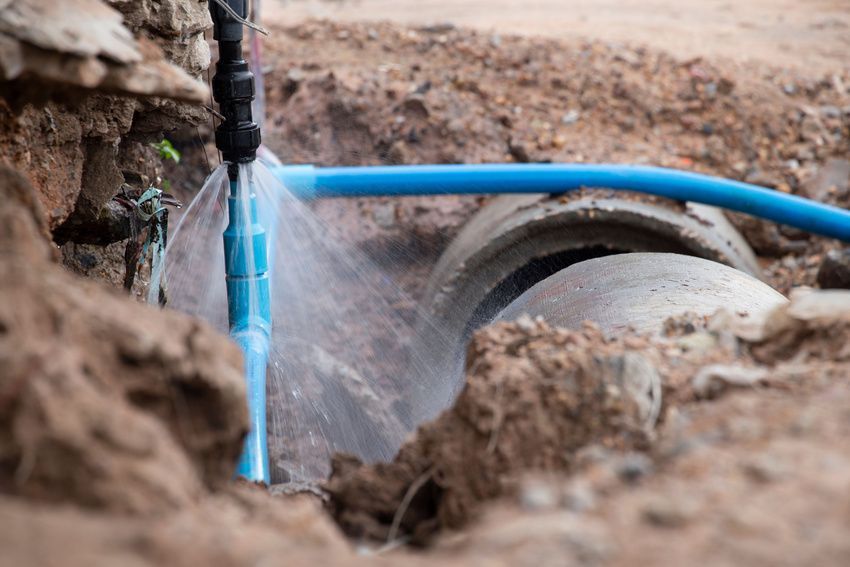
Maintaining buried utility networks poses a unique challenge for residential property owners because structural failures remain hidden until major symptoms appear. Sinking patches of soil, unexplained puddles in the grass, and sudden drops in internal pressure indicate that a major structural breakdown has occurred beneath the surface. Resolving these issues historically meant deploying heavy machinery to dig up entire lawns, resulting in expensive landscaping restoration expenses that far exceeded the price of the actual plumbing repair.
According to an agency report from the Environmental Protection Agency, public water systems across the nation face an extensive capital requirement of $625 billion over a two-decade period to fund pipe replacement, treatment facility modernization, storage structures, and other vital infrastructure assets. This massive national deficit emphasizes how rapidly underground utility systems are deteriorating across communities, pushing property owners to seek efficient solutions. Localized water line repair must evolve to meet these systemic challenges without adding unnecessary financial or aesthetic burdens to individual property owners who are dealing with failing residential supply pipes.
Evaluating Traditional Excavation Methodologies
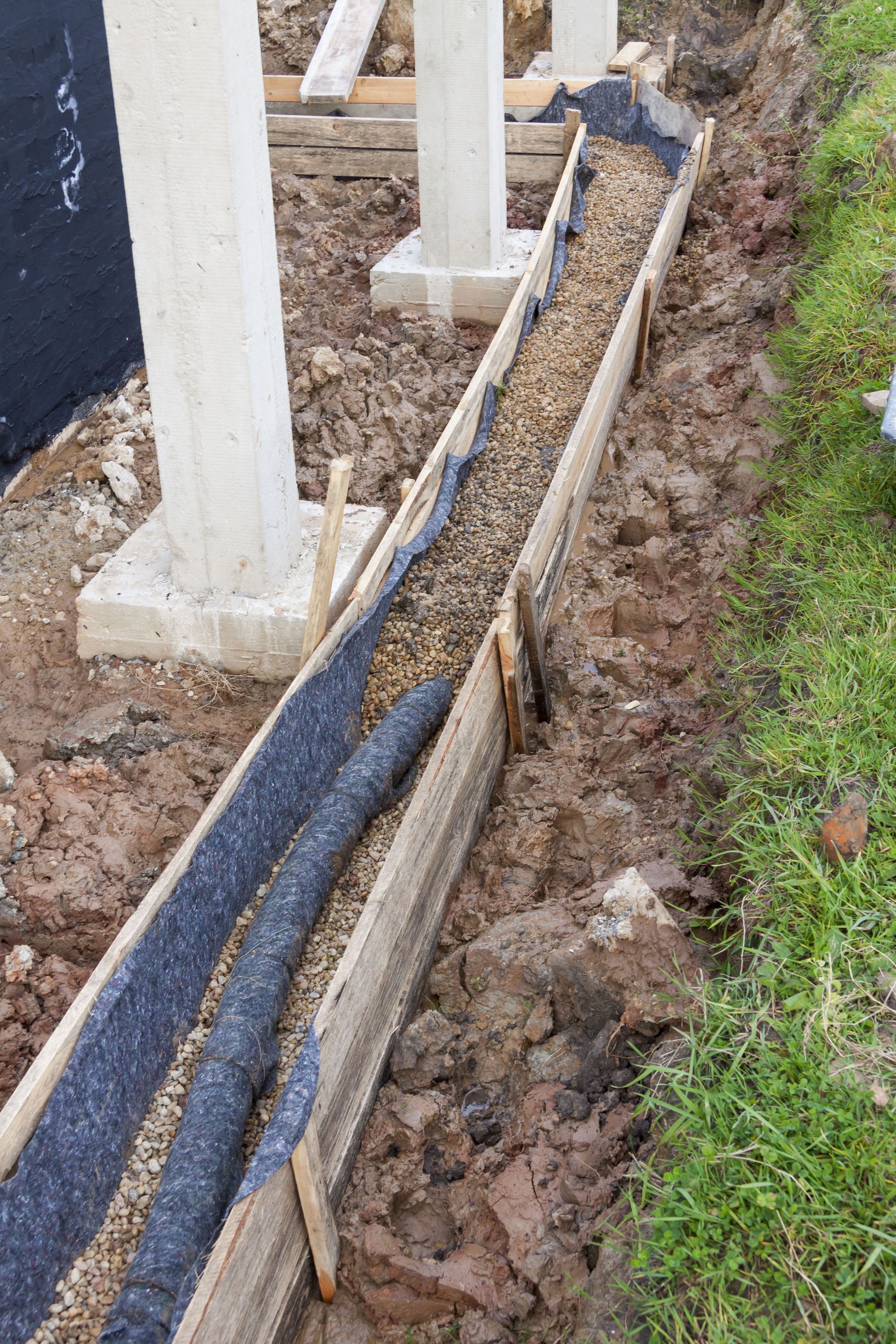
Conventional repair techniques depend heavily on heavy construction machinery to expose broken pipes from above, creating a massive trench through whatever sits on the surface. Lawns are torn apart, concrete walkways are demolished, and established root networks are severed to allow physical access to the damaged line. This destructive process transforms an orderly residential yard into an active construction zone, causing significant logistical headaches and creating safety hazards for children and household pets.
The indirect expenses associated with conventional excavation frequently catch homeowners off guard because repairing the pipe is only the initial step of a lengthy reconstruction process. Replacing destroyed sod, rebuilding brick patios, and repaving asphalt driveways can easily double the overall project expenses. Opting for traditional methods means accepting days or weeks of heavy disruption, loud construction noises, and a severely damaged landscape that requires months of careful cultivation to fully recover from a standard water line repair intervention.
Exploring Modern Trenchless Approaches
Innovative plumbing technology avoids surface destruction entirely by accessing buried networks through small, strategically placed entry ports rather than long surface trenches. Specialized technicians utilize advanced diagnostic cameras to navigate the interior of the pipe, identifying precise failure locations without lifting a single shovel of dirt. Once the internal assessment concludes, technicians select an appropriate structural adaptation technique based on the specific type of pipe damage present.
Two primary non-invasive methods dominate the modern industry, each designed to solve specific structural issues while keeping surface landscapes completely intact:
- Pipe Bursting: This technique involves pulling a high-density replacement pipe directly through the old, deteriorating line, using a specialized breaking head to fracture the existing pipe outwardly into the surrounding soil.
- Pipe Lining: This strategy utilizes a flexible, resin-saturated sleeve that technicians insert into the damaged line, inflating it to create a brand-new, structurally sound pipe within the old cavity after curing.
Analyzing the Benefits of Pipe Lining
Structural pipe lining represents a remarkable advancement in modern utility maintenance, offering an efficient remedy for cracked, corroded, or root-invaded distribution networks. Technicians insert a flexible tube coated with advanced epoxy resin into an existing entry point, navigating the interior smoothly. Once positioned perfectly, the internal sleeve is pressurized, forcing the wet resin tightly against the interior walls of the failing utility conduit.
This technique cures over a few hours, creating an incredibly smooth, seamless pipe-within-a-pipe that resists future root intrusion and chemical corrosion. Because the new internal layer reduces physical friction, fluid dynamics improve significantly, optimizing delivery volume into the house.
Examining the Mechanics of Pipe Bursting
When a buried utility line suffers from severe structural collapses or extensive blockages, internal lining might not be possible due to restricted interior clearance. In these scenarios, pipe bursting offers an exceptional alternative by completely replacing the old conduit without requiring a continuous surface trench. Technicians dig small access points at each end of the utility run to establish proper entry and exit pathways for the replacement gear.
A powerful mechanical winch pulls a heavy steel splitting wedge through the failing pipe, breaking the old material apart and pushing the fragments into the surrounding earth. Simultaneously, the expanding head pulls a continuous strand of durable polyethylene pipe directly into the newly created subterranean void. This method allows technicians to install a brand-new line of identical or larger diameter, successfully completing a comprehensive water line repair while leaving the surface lawn undisturbed.
Quantifying the Long-Term Financial Advantages
Selecting an advanced, non-invasive plumbing strategy provides substantial financial protection that extends far beyond the immediate invoice for technical field services. While the initial specialized equipment setup might carry a premium compared to renting a basic mechanical backhoe, the total project ledger reflects massive savings. Eliminating the need for professional landscape designers, heavy paving equipment, and fresh sod replacement keeps your overall hard-earned capital in your bank account during a water line repair scenario.
Furthermore, the advanced materials utilized in modern non-destructive installations offer superior resistance to common environmental hazards that destroy old-fashioned metal or clay pipes. The seamless design of modern high-density polyethylene and cured epoxy linings eliminates vulnerable joint connections where tree roots typically break through. Investing in a high-quality water line repair today prevents recurring service calls, ensures consistent property performance, and enhances overall real estate market value by securing vital utility infrastructure.
Prioritizing Professional Installation Standards
Executing non-invasive plumbing restorations requires high-level technical expertise, specialized hydraulic machinery, and precise environmental monitoring to ensure permanent structural success. Experienced technicians must carefully evaluate soil compaction levels, existing pipe materials, and specific residential building codes before deploying advanced lining or bursting equipment. Attempting to address complex underground structural failures without certified professional guidance can result in incomplete seals, accidental damage to adjacent utility lines, and compromised municipal connections.
Selecting a fully licensed, properly equipped plumbing provider ensures that your underground restoration project complies with strict safety and performance regulations. Professional teams conduct thorough video inspections before and after every installation procedure, providing clear visual confirmation that your new utility line is flawless.
Securing Your Home Infrastructure
Protecting your residential investment requires making smart, forward-thinking choices when vital underground utility networks begin to fail. Choosing advanced, non-invasive technologies ensures that your property receives elite structural care without the devastating destruction of traditional deep-yard excavation. If you notice signs of underground pipe failure, take action immediately to safeguard your landscape and restore your home utility performance. Contact the experienced professionals at Epic Plumbing LLC to schedule an advanced diagnostic assessment and experience the peace of mind that comes with premium
water line repair solutions.