June 11, 2026
The advancing age of a septic system is often a strong indication that replacement should be considered. Most septic systems have a finite lifespan, and as they grow older, the likelihood of component failure increases significantly. Tanks, pipes, baffles, and drain fields naturally deteriorate over time, making it more difficult for the system to operate efficiently. Even with regular maintenance and occasional septic tank repairs, an aging system may eventually reach a point where continued repairs are no longer practical.
Older septic systems may also have been built using materials or construction methods that no longer meet current standards. This can create compliance issues when selling a property or undergoing inspections. In many cases, upgrading to a newer system provides improved efficiency, greater environmental protection, and reduced maintenance demands. While replacing a septic system represents a larger investment upfront, it can eliminate the recurring expenses associated with ongoing breakdowns. Homeowners should weigh the cumulative cost of repeated repairs against the cost of installing a modern system. If repair bills continue to incr
Extensive Structural Damage
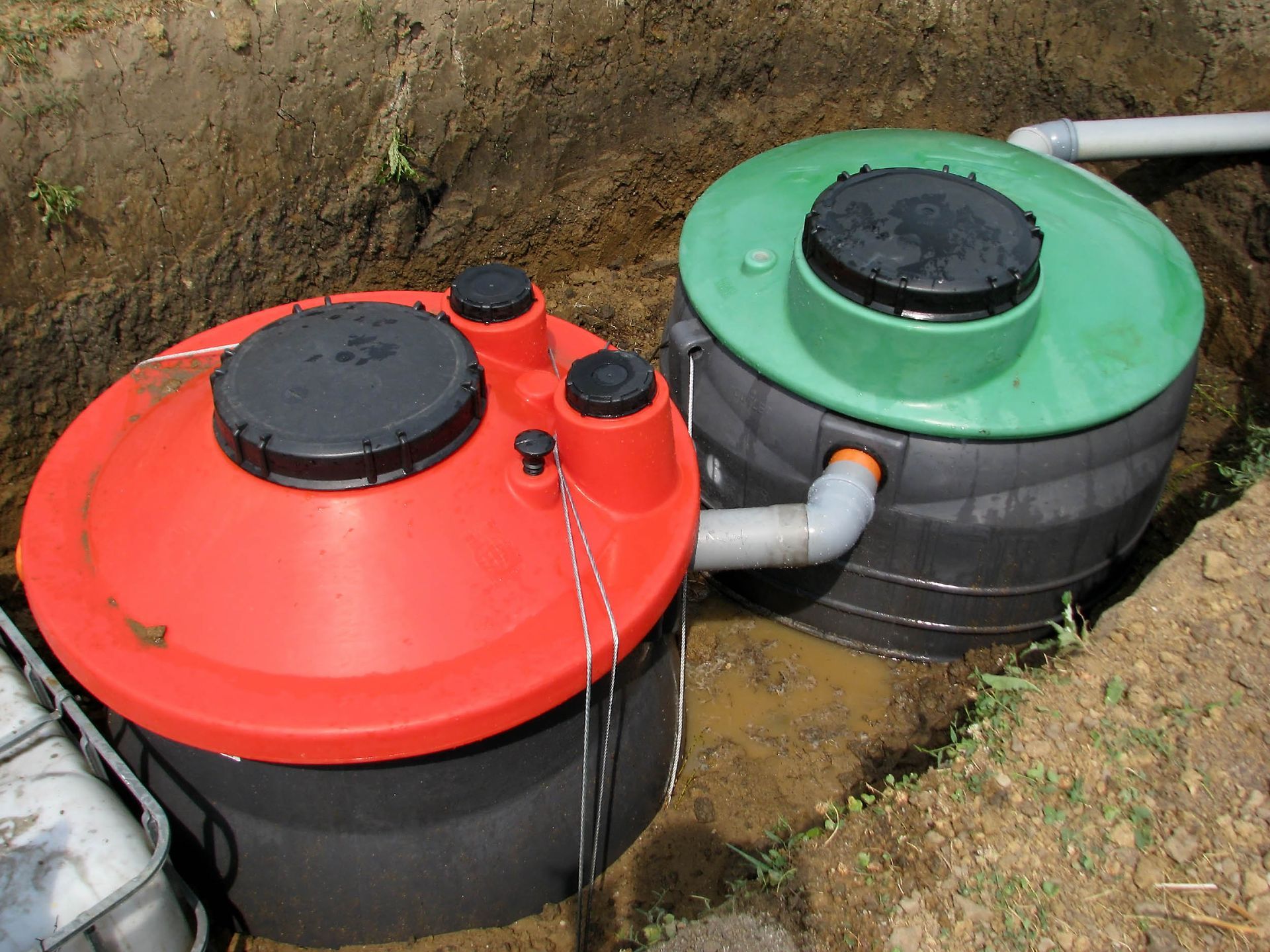
Structural damage is another major indicator that replacement may be necessary. Large cracks, severe corrosion, collapsing tank walls, or significant drain field deterioration can compromise the entire septic system. In these situations, attempting to repair isolated sections may only provide temporary relief while the underlying problems continue to worsen.
According to the Environmental Protection Agency, more than half of septic systems that failed inspections in 2024 did so because of construction deficiencies or inadequate maintenance practices. This highlights how neglect and structural problems can eventually lead to system failure. When substantial damage is discovered, homeowners should consult a professional to determine whether septic tank repairs can realistically restore functionality or if replacement is the more dependable solution. Ignoring structural issues can create environmental hazards, contaminate groundwater, and increase health risks for nearby residents. Prompt action is essential to prevent further damage and protect your property.
Frequent Drain Field Problems
Recurring drain field issues are another strong sign that a septic system may be nearing the end of its useful life. The drain field is responsible for filtering and dispersing treated wastewater into the soil, making it one of the most critical components of the entire system. When homeowners notice standing water, soggy patches in the yard, unusually green grass over the drain field, or persistent sewage odors, these symptoms often indicate that the drain field is struggling to function properly.
While some drain field problems can be corrected through maintenance or localized repairs, repeated failures may suggest a larger issue within the septic system. Soil saturation, excessive sludge buildup, damaged distribution lines, or long-term neglect can all contribute to ongoing drain field complications. If these problems continue despite maintenance efforts and septic tank repairs, replacement of the drain field or even the entire septic system may be necessary.
Addressing drain field issues early is important because a failing drain field can lead to wastewater surfacing on the property and potentially contaminating nearby groundwater sources. A professional inspection can help determine whether restoration is possible or if replacement offers the most reliable long-term solution.
Comparing Repair Costs Versus Replacement
One of the primary reasons homeowners choose repairs is the lower initial cost. Many common issues, such as clogged lines, damaged baffles, minor leaks, or pumping needs, can be resolved without replacing the entire system. In these situations, targeted septic tank repairs may restore functionality and extend the life of the system for several additional years.
However, focusing solely on immediate costs can sometimes be misleading. A lower repair bill today may lead to multiple service calls in the future if the root cause of the problem remains unresolved. Homeowners should evaluate whether the repair addresses the underlying issue or simply postpones a larger problem.
When considering long-term expenses, replacement may sometimes be the more economical choice. Continually paying for recurring repairs, emergency service calls, and property restoration can quickly exceed the cost of a new system. Modern septic systems are designed for improved efficiency and often require less maintenance than older installations. A professional evaluation can help determine whether future repair costs are likely to increase. If your system has a history of recurring failures, replacement may offer a more predictable and cost-effective solution over time.
A properly functioning septic system contributes to overall property value. Potential buyers often request septic inspections during real estate transactions, and a failing system can become a major obstacle to a sale. Investing in replacement may increase buyer confidence and reduce negotiation challenges. Conversely, a history of successful septic tank repairs supported by maintenance records can also reassure buyers that the system has been properly cared for. Whether repairing or replacing, maintaining documentation is important for demonstrating responsible ownership.
Preventive Maintenance to Extend Septic System Life
Routine pumping remains one of the most effective ways to extend septic system longevity. Removing accumulated solids prevents backups and protects the drain field from excessive strain. Following recommended pumping intervals helps reduce the need for major septic tank repairs and keeps the system operating efficiently. The ideal pumping schedule varies based on household size, water usage, and tank capacity. Consulting a septic professional ensures that maintenance is performed at appropriate intervals.
Excessive water use places unnecessary stress on septic systems. Conserving water by repairing leaks, installing efficient fixtures, and spreading out laundry loads can significantly reduce system strain. Lower wastewater volumes allow the septic tank and drain field to process waste more effectively. Simple habits such as fixing dripping faucets and avoiding unnecessary water usage can contribute to longer system life and fewer operational problems.
Many septic issues stem from flushing or draining inappropriate materials into the system. Grease, oils, wipes, paper towels, chemicals, and household cleaners can disrupt bacterial activity and contribute to clogs. Homeowners should only flush waste and toilet paper while disposing of other materials through proper waste management methods. Preventing contamination helps minimize the need for future septic tank repairs and protects the drain field from damage.
Routine Professional Inspections
Professional inspections play a vital role in identifying potential problems before they become serious. Technicians can detect minor leaks, developing blockages, and component wear that may not be obvious to homeowners. Regular inspections help ensure that maintenance is performed proactively rather than reactively. Catching problems early often results in less expensive solutions and can significantly extend the lifespan of the entire system.
Deciding between repairing and replacing a septic tank requires careful consideration of the system's age, condition, maintenance history, and overall performance. In many situations, targeted septic tank repairs can successfully restore functionality and provide several more years of reliable service. However, when structural damage, persistent failures, or advanced age become significant factors, replacement may offer greater long-term value.
A thorough professional assessment remains the best way to determine the most practical and cost-effective solution for your property. By staying proactive with inspections, maintenance, and timely repairs, homeowners can maximize the lifespan of their septic systems while avoiding costly emergencies.
If you're experiencing septic system issues or need guidance on whether repair or replacement is the right choice, contact Epic Plumbing LLC today. Our experienced team can evaluate your system, recommend the most effective solution, and provide dependable service to keep your home's wastewater system operating safely and efficiently for years to come.