June 15, 2026
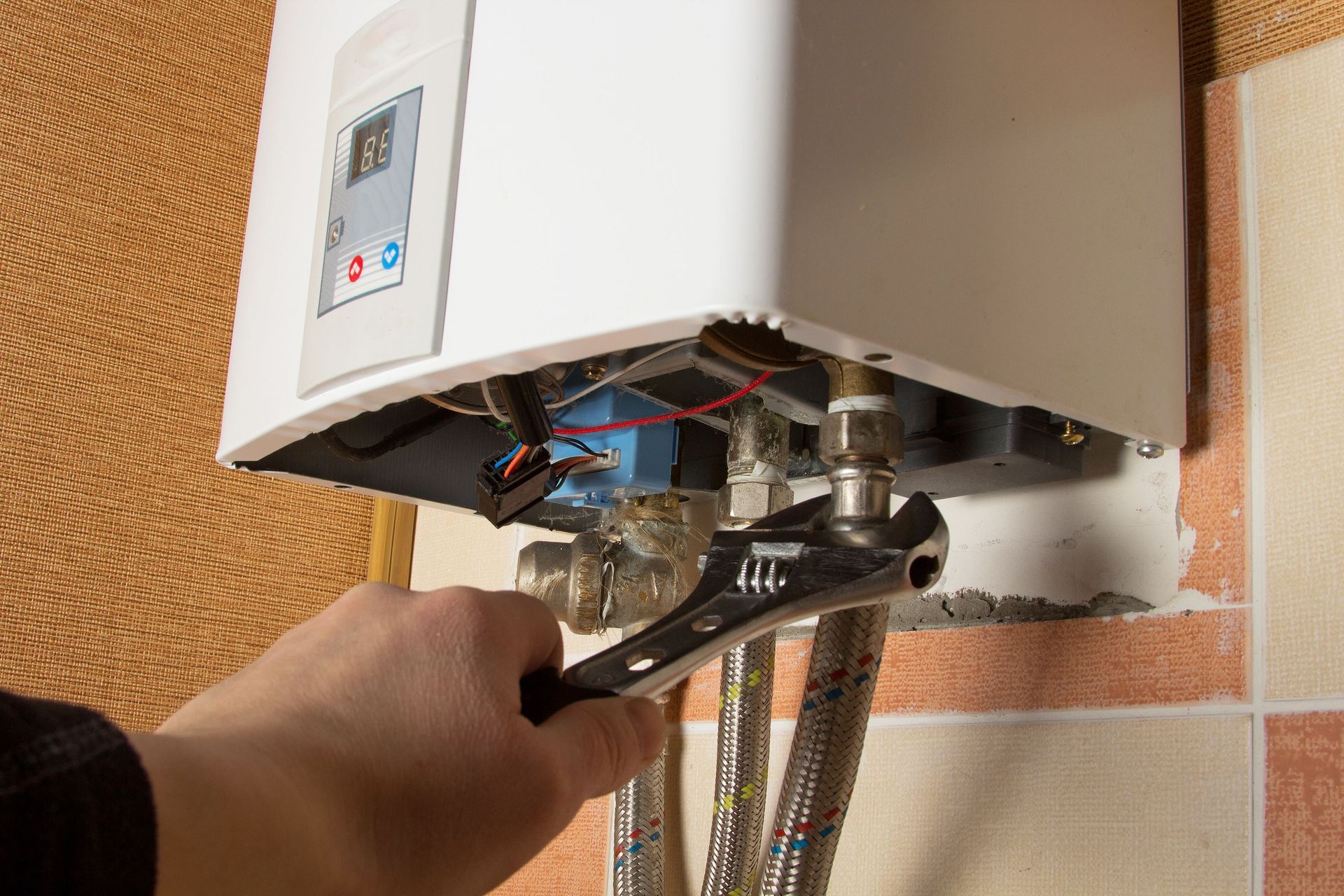
Maintaining a fully functional residential plumbing infrastructure requires a strategic combination of routine preventative maintenance, financial foresight, and timely equipment upgrades. Among the various critical appliances that sustain daily domestic comfort and hygiene, the system responsible for generating hot water remains one of the most heavily relied-upon assets in any household. Day after day, this mechanical unit operates continuously beneath the surface, enduring constant thermal cycling, internal pressure fluctuations, and mineral exposure to deliver hot water for showers, laundry, and sanitization. Because these systems function quietly in utility closets or basements, property owners frequently overlook their gradual degradation until a sudden, catastrophic failure forces an emergency plumbing scenario. Initiating a proactive approach to budgeting and planning for a future water heater replacement protects households from unexpected financial shocks, limits potential property flooding liabilities, and ensures seamless environmental comfort.
Understanding the expected operational timeline of critical household appliances serves as the fundamental baseline for any successful long-term property management strategy. According to Forbes, a traditional water heater has an average lifespan of 10 to 15 years. Adhering to this established industry standard allows homeowners to anticipate the natural decline of their heating units well before an absolute structural breakdown occurs. As a tank nears the final stages of its reliable operational threshold, internal components inevitably become less efficient, resulting in increased energy consumption and inconsistent thermal performance. By tracking the age of the current installation and establishing a dedicated, structured timeline for an eventual water heater replacement, proactive householders can avoid the chaotic, high-pressure decision-making process that invariably accompanies a sudden, late-night equipment failure.
Tracking System Age
Monitoring the manufacturing date and tracking the historical performance parameters of your current unit establishes an accurate baseline for your future appliance roadmap. Most homeowners inherit their mechanical infrastructure when purchasing a property, remaining completely unaware of how many years of reliable service the existing tank has already logged. Property owners can easily determine the exact age of their system by locating the manufacturer data plate on the exterior jacket and cross-referencing the encoded serial number. If the data reveals that the equipment is rapidly approaching the upper limits of traditional utility, it represents a clear biological signal that planning for a water heater replacement should become an immediate household priority. Documenting this timeline early eliminates guesswork, allowing families to research modern system alternatives with absolute clarity and composure.
Observing Physical Warning Signs
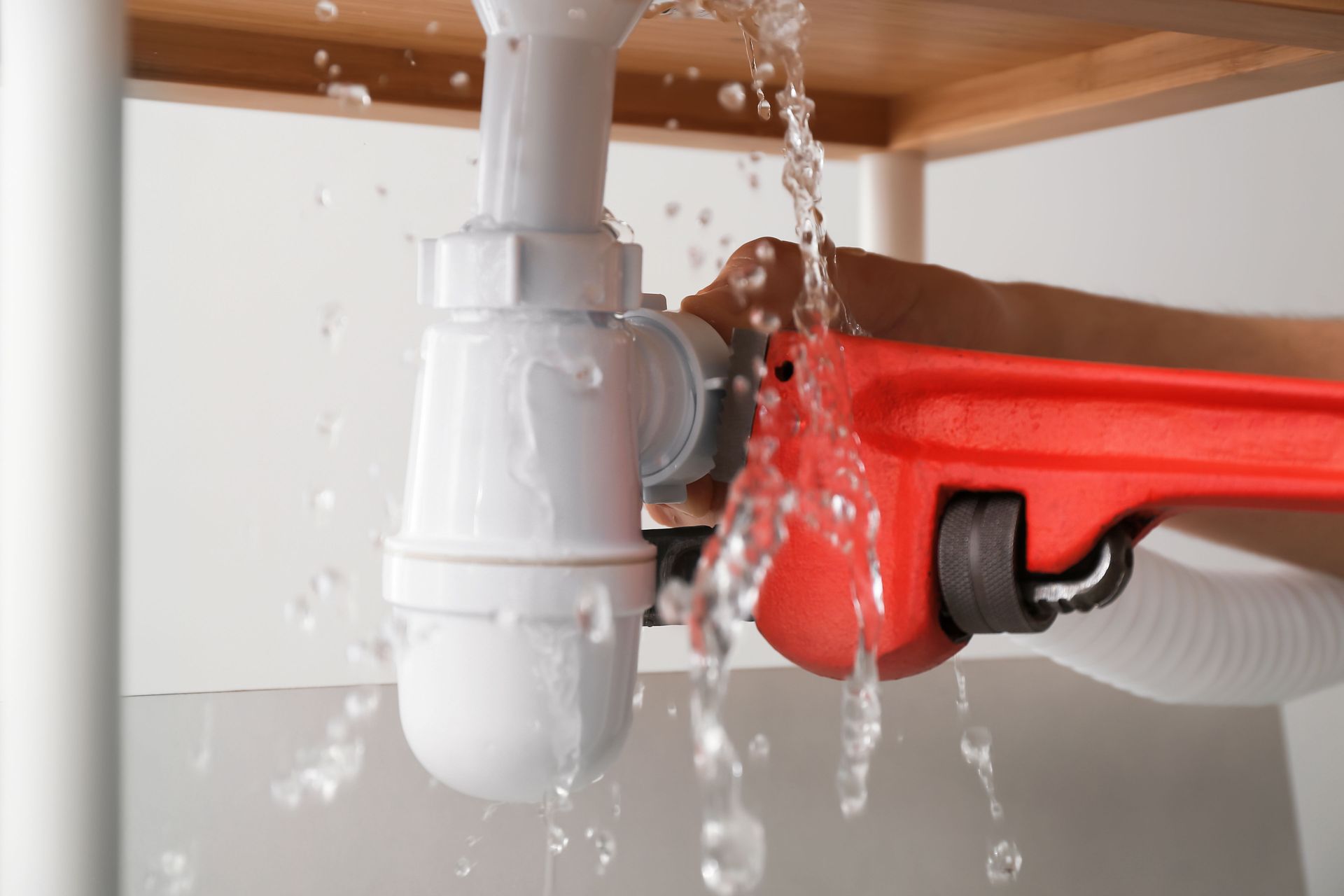
Inspecting the external jacket, connections, and surrounding floor space for subtle indicators of material degradation prevents silent, slow-moving moisture catastrophes. As storage tanks age, continuous exposure to hard water minerals and thermal expansion can cause the internal steel lining to fracture, leading to microscopic leaks. Early visual red flags include the accumulation of white, powdery mineral crusts around the hydraulic fittings, rusty discoloration in the hot water stream, or unusual rumbling noises echoing from the burner chamber during heating cycles. Noticing these operational disruptions signals that the structural integrity of the internal vessel has been severely compromised, rendering a future water heater replacement entirely unavoidable. Intervening at this early stage allows homeowners to manage the transition smoothly before a catastrophic tank rupture causes extensive structural flooding damage.
Evaluating Modern Technology Options
Analyzing the distinct operational mechanisms, efficiency ratings, and structural designs of contemporary heating systems helps homeowners select an optimal replacement configuration. The plumbing industry has evolved significantly over the last several decades, introducing advanced high-efficiency models that depart drastically from legacy atmospheric tank designs. Property owners must decide whether to transition to an innovative tankless on-demand heating setup, integrate a hybrid electric heat pump configuration, or maintain a traditional storage tank system. Each distinct technology presents unique prerequisites regarding gas line sizing, electrical sub-panel capacity, and localized ventilation paths that can alter the overall scope of a water heater replacement project. Dedicating time to research these technical requirements beforehand ensures that your final equipment selection perfectly aligns with your household’s specific hot water demands.
Estimating Complete Installation Expenses
Compiling a comprehensive, line-item projection of all associated material, labor, and regulatory permitting costs ensures an accurate and realistic household budget. The true financial scope of an appliance upgrade goes far beyond the simple retail price of the raw equipment found at a local home improvement center. Homeowners must factor in the cost of professional mechanical labor, delivery logistics, eco-friendly disposal fees for the old tank, and any mandatory structural modifications required to meet current municipal building codes. Furthermore, shifting from a traditional tank to a high-efficiency tankless configuration often introduces unique secondary infrastructure expenses, such as installing specialized stainless steel venting or upgrading electrical circuits. Developing a fully transparent cost framework prevents unexpected fiscal surprises when the time arrives to execute your water heater replacement.
Creating Dedicated Financial Reserves
Establishing a structured, incremental savings protocol within your monthly household budget mitigates the immediate financial strain of a major appliance acquisition. Rather than relying on high-interest credit cards or draining a general emergency fund when a plumbing crisis strikes, setting aside a modest sum each month builds a protective capital cushion over time. This disciplined financial preparation transforms a potentially stressful, unbudgeted multi-thousand-dollar emergency expense into a completely manageable, pre-planned home improvement project. Having liquid capital readily available also gives property owners a significant commercial advantage, allowing them to purchase premium, high-efficiency equipment that delivers substantial energy savings over the lifespan of the new unit. Proactive funding ensures that financial constraints never force you to compromise on the safety or quality of your home infrastructure.
Consulting Professional Plumbing Specialists
Partnering with certified plumbing technicians for a comprehensive structural assessment guarantees that your future installation plan is grounded in exact mechanical science. While online research provides valuable general knowledge, every individual residence possesses a unique plumbing ecosystem characterized by specific water pressure profiles, localized space constraints, and venting layouts. Inviting an authorized specialist to evaluate your home ensures that the incoming system is correctly sized to accommodate peak usage hours without wasting energy or overloading the storage vessel. These technical consultations clarify whether your existing gas lines or electrical grids can seamlessly support an advanced water heater replacement without requiring cost-prohibitive utility overhauls.
The long-term operational harmony of a modern home depends directly on the foresight, structural care, and financial planning applied to its primary utility systems. Allowing an aging hot water tank to run completely to failure without a clear, pre-determined backup strategy is a risky operational approach that frequently results in unnecessary structural water damage, elevated emergency service fees, and prolonged household discomfort. True residential security is achieved by rejecting reactive maintenance habits and embracing a disciplined framework of predictive asset management.
Ultimately, addressing the natural lifecycle of your home’s hot water infrastructure with speed, financial precision, and professional guidance is the only definitive way to secure your domestic comfort and protect your property investment. Every aging tank, corroded valve, and fluctuating thermal element requires a proactive strategy executed by licensed professionals who refuse to cut corners on craftsmanship. At Epic Plumbing LLC, our experienced collective team stands ready to deliver the comprehensive diagnostic evaluations, technical system sizing, and flawless installation logistics your household demands. Leaving your primary hot water source to chance can lead to unexpected structural ruptures and costly emergency cleanup liabilities down the road. Ready to secure your home’s long-term operational efficiency and build a stress-free plan for the future? Contact us today to schedule your professional plumbing assessment, and let our master technicians manage your upcoming water heater replacement with the unmatched expertise, absolute transparency, and personal accountability you deserve.